Italia

Leather 101

How a hide becomes leather, and how to distinguish one grade from another.

Leather, the ultimate covering

Leather specialists since 1994

Understanding how leather is made, the various types, and how it is graded allows you to make an informed decision.

Not all leather types are the same - learn which type is best for your application.

Our standard

100%Top-grain

Top-grain on every leather piece as standard. Full-grain aniline is our premium option.

01 · The hide

Anatomy of a hide

A hide is made of layers, and they are not equal. The layer a leather comes from determines how it looks, how it feels and how long it lasts.
  • The surface you touchNatural, untouched
  • Grain · Dense, tight fibres
  • Corium · Looser, longer fibres

Grade 1 of 4 · Used by Italia

Full-grain

The top layer of the hide, left completely natural.

  • Full-grain is top-grain in its most natural form.
  • Only the hair is removed. The surface is not sanded or corrected.
  • Natural markings, pores and variations remain visible.
  • Develops the richest patina over time.
  • Related: nubuck is grain leather, lightly buffed to a velvety nap and usually aniline dyed. Beautiful in the hand, but delicate and among the more expensive leathers.

The most natural leather.
  • The surface you touchLightly sanded, finished
  • Grain · Dense, tight fibres
  • Corium · Looser, longer fibres

Grade 2 of 4 · Used by Italia

Top-grain

The top layer of the hide, separated from the lower split.

  • Retains the dense, tightly woven fibres of the grain.
  • The surface may be left natural or lightly refined, then finished, for a more even appearance.
  • Strong, supple and made for years of daily use.

The leather Italia Furniture uses as standard.

  • The surface you touchImitation pattern, pressed in
  • Grain: removed · Became top-grain leather
  • Corium · Looser, longer fibres

Grade 3 of 4 · Not used by Italia

Split

The inner layer of the hide, left over once the top grain has been removed.

  • A whole hide is too thick and stiff to upholster, so it is split into layers. The top layer, the grain, becomes top-grain leather.
  • Split leather is the inner layer that remains. Its natural top surface is gone, so it is often embossed with an artificial grain pattern to imitate top-grain leather.
  • Its looser fibres make it weaker and less supple.
  • Suede is the best-known split leather: a soft, napped finish with its uses, but it marks and stains easily and is less durable than grain leather.
  • Commonly used on the sides and backs of lower-priced furniture.
  • Split leather is genuine leather, so it may be sold as ‘genuine leather’ or even ‘100% leather’. Neither label indicates which layer of the hide is being used.

Resembles top-grain leather at first, but does not wear as well.

  • The surface you touchA coating, not leather
  • Leather scraps · Shredded and glued
  • Backing · Fabric or paper

Grade 4 of 4 · Not used by Italia

Bonded

Shredded leather scraps, glued to a backing and coated.

  • Contains only a small proportion of actual leather fibre.
  • The coated surface is prone to peeling and flaking.
  • Cannot be repaired once it begins to fail.
  • Bonded leather may be labelled in ways that suggest genuine leather. Check the label for the percentage of actual leather fibre.

Not comparable to genuine leather in durability.

02 · The tannery

From hide to leather

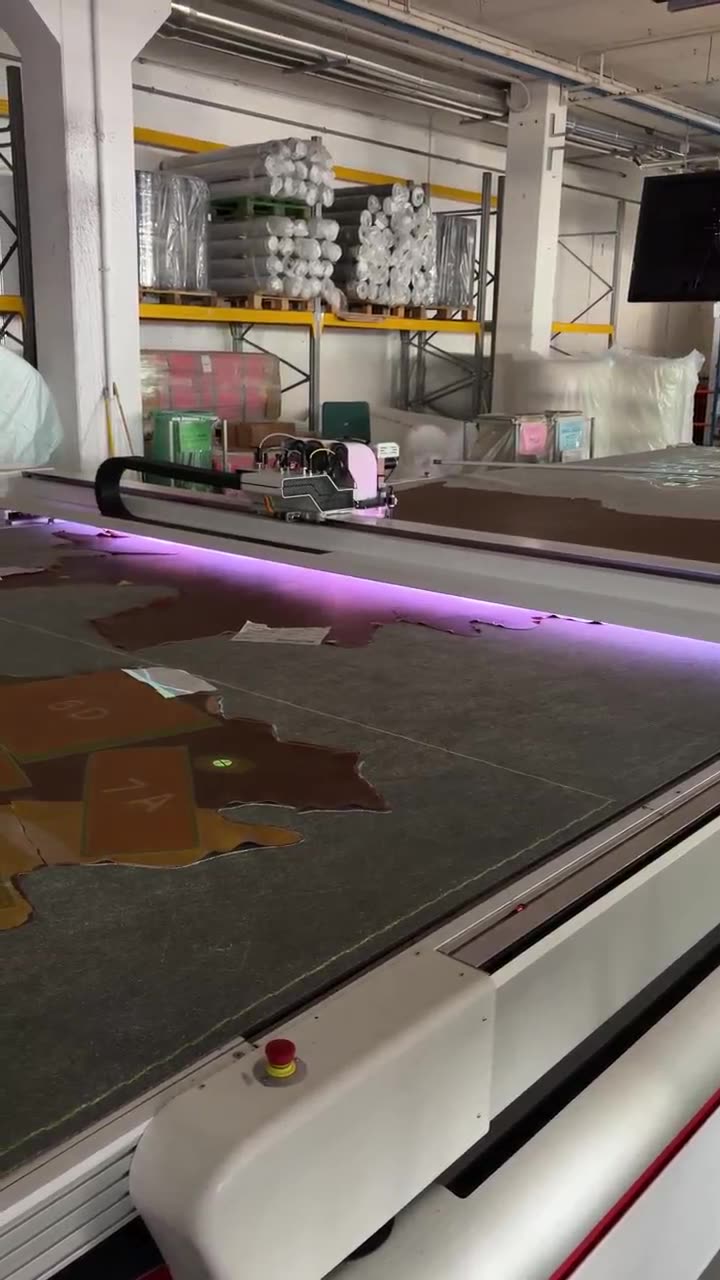
Our leather is tanned in Italy by a tannery with more than 65 years of experience. Raw hide becomes furniture leather in seven stages.
  1. 01

    Preparation

    Raw hides are washed, soaked and cleaned. The hair and the tissue underneath are removed, leaving only the clean skin.

  2. 02

    Tanning

    Hides turn in large wooden drums for several hours. Tanning stabilises the fibres, preventing decay and giving the leather its lasting strength.

  3. 03

    Splitting and shaving

    Each hide is split into two layers. The top layer, the grain, is kept. Machines then shave the underside so the thickness is even across the hide.

  4. 04

    Retanning, dyeing and softening

    The leather is retanned for fullness, dyed on the surface or all the way through, and fed with oils that make it soft and supple.

  5. 05

    Drying

    The leather is dried under vacuum or stretched on frames, then hung for about 24 hours to settle.

  6. 06

    Finishing

    The leather is softened, buffed, coloured and textured by hand and by machine, then trimmed. This stage gives each leather its final appearance and feel.

  7. 07

    Testing

    Finished leather is tested for strength, resistance to wear and harmful substances, then measured and packed for the workshop.

03 · Choosing your leather

Two leathers, one decision

Every leather we offer is of the same high quality and durability. The choice comes down to how you live with it, and whether you want a leather that develops a patina or one that keeps its uniform look.

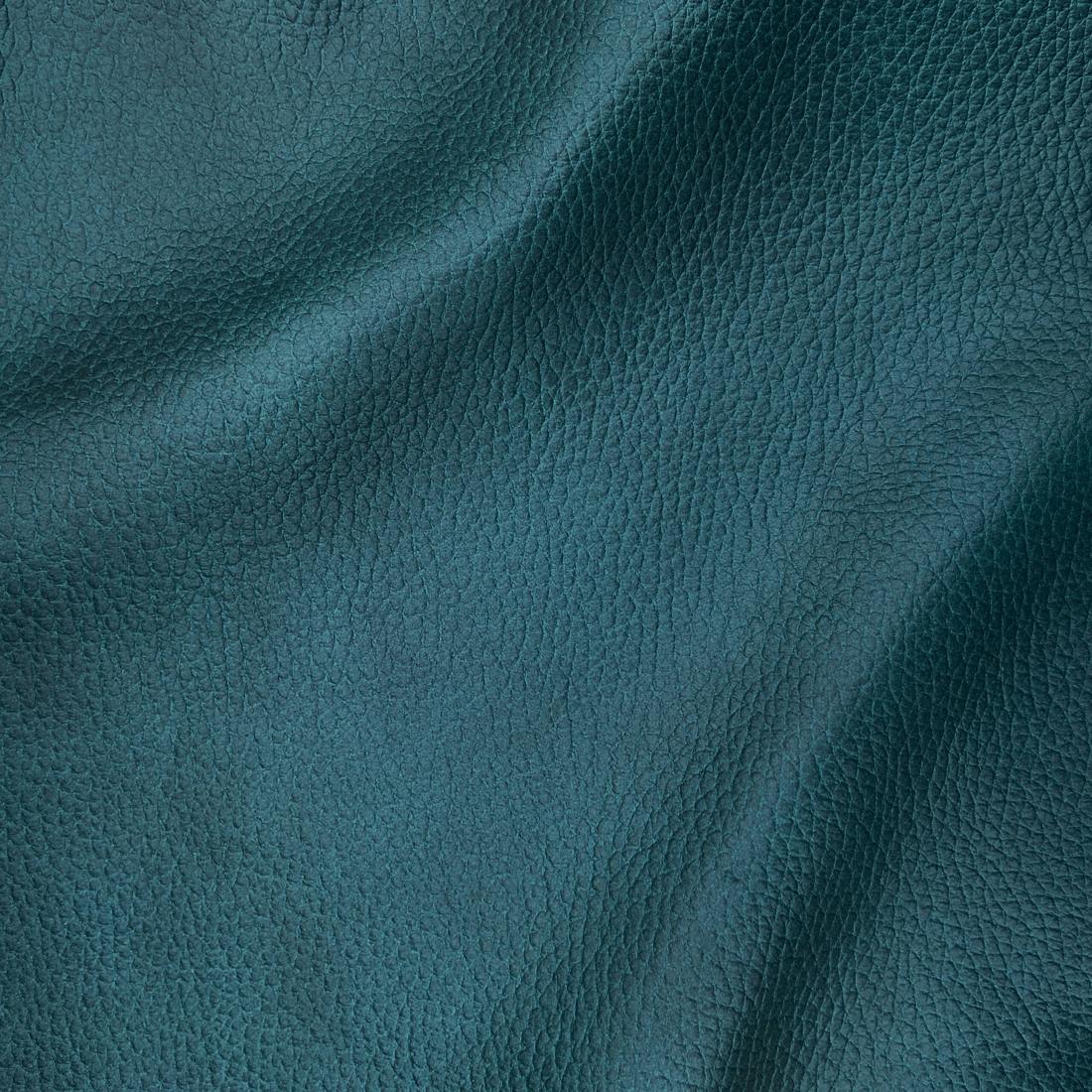
Full-grain aniline leather with natural markings and deep colour

Full-grain · Aniline

Full-grain aniline

The hide is left completely natural. Only the top 1% of hides are clean enough to qualify, which is why it is the most expensive leather we offer.

The appeal

  • The most luxurious hand and feel
  • Deep, rich colour
  • Natural variation true to each hide
  • Develops a patina over time

Keep in mind

  • Absorbs oils and liquids, and can stain
  • Colour and surface change with use

Best suited to

A luxurious, classic look, in a home where a developing patina is welcome.

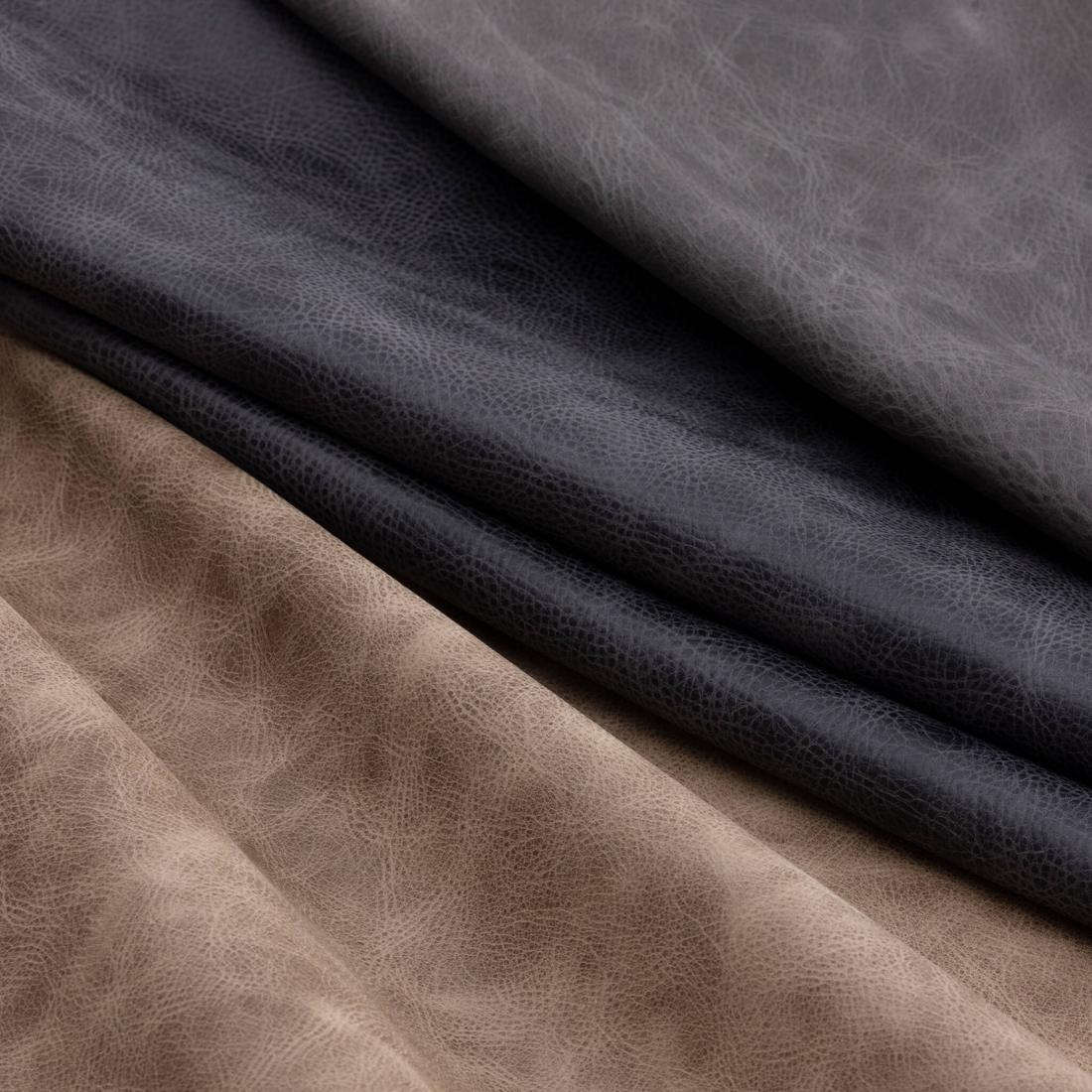
Top-grain semi-aniline leather with a natural grain and even colour

Top-grain · Semi-aniline

Top-grain semi-aniline

Close to the richness of full-grain, with a protective finish. Available in several levels of protection.

The appeal

  • Extremely easy to maintain
  • Keeps a consistent, uniform look
  • Resists everyday spills and stains
  • Close to the richness of full-grain

Keep in mind

  • More protection means a little less of the soft, natural feel

Best suited to

Homes with children or pets, a clean modern look, and anyone who wants the leather to keep its uniform look.

Levels of protection

Feel versus ease of care

Protected leather is semi-aniline with the most protection. The more protection, the easier it is to care for, with a little less of the natural feel.

Full-grain

Aniline

Natural feel
Ease of care

Light protection

Semi-aniline

Natural feel
Ease of care

Medium protection

Semi-aniline

Natural feel
Ease of care

Full protection

Protected

Natural feel
Ease of care

04 · Natural character

A natural material

Every hide comes from an animal that lived its own life, so no two are alike. Natural markings are a sign of genuine leather, not a flaw. They show most on full-grain aniline leather; semi-aniline finishes soften them.

  • Neck creases

    Fine wrinkles from the animal moving and stretching its neck, often deeper on older animals.

  • Veins

    Faint lines where blood vessels ran close to the skin.

  • Growth marks

    Lines much like stretch marks, left by periods of rapid growth.

  • Healed scars

    Marks from everyday scrapes, such as fences or horns, long since healed. Sometimes slightly raised.

  • Insect bites

    Tiny specks where the skin healed after a bite.

  • Colour change over time

    Our tanneries work to extremely tight colour tolerances. Over time, sunlight and natural patina can gently change the shade, most of all on aniline leather.

None of these affect how the leather wears. Because every hide is different, your piece may vary slightly from a showroom sample.

05 · How it ages

How it ages

Top-grain leather changes with use. This is part of its character, not a flaw.

Expected, and part of its character

  • Softening and gentle creasing in the most-used areas.
  • A gradual deepening of colour and sheen, known as patina.
  • Natural marks, scars and slight colour variations between hides.

Points to note

  • Peeling and flaking are the classic failure of bonded leather, where a coated surface separates from its backing. Top-grain leather has no separate layer to come away.
  • Dryness and fine surface cracks indicate that the leather needs conditioning.

06 · Care

Caring for your leather

A few minutes of regular care keeps leather supple for decades.
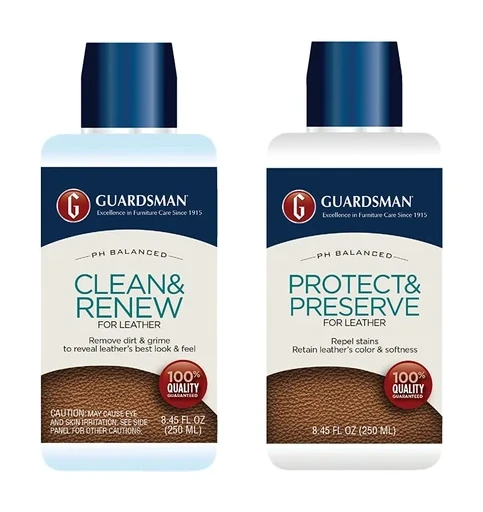
Guardsman Clean & Renew and Protect & Preserve for leather

Recommended care

Guardsman leather care

Italia Furniture recommends only Guardsman leather care, made in Italy for Guardsman. It is inexpensive, safe on a wide variety of leathers, and available in our showroom or online.

Clean & Renew

A gentle, pH-balanced cleaner. Removes dirt and grime without streaks or a dust-attracting residue, and keeps the leather's natural sheen.

Protect & Preserve

Leaves an invisible barrier that helps leather resist stains and early ageing, and keeps its original colour and soft feel.

Suitable for aniline, semi-aniline and protected leather. Not for suede or nubuck. Always test in a hidden area first.

Do

  • Dust regularly with a clean, dry, soft white cloth.
  • For dry dirt, brush gently with a soft-bristled brush. On protected leathers, a soft, damp cloth works too.
  • For spills such as coffee, tea, soft drinks, milk, chocolate, oil or make-up, blot immediately with an absorbent cloth or paper towel. Do not rub.
  • Keep leather out of direct sunlight, and at least 60 cm (2 ft) from heaters and fireplaces.

Avoid

  • Any other leather cleaning product. Products other than those we recommend can leave a film on the leather and damage natural surfaces and protective coatings.
  • Drying leather in direct sunlight or with a hair dryer.
  • Water on aniline leather. Use dry methods only, as water can mark its open surface.
  • Household cleaners, solvents, furniture polish, baby wipes and saddle soap.

A lasting advantage

Leather can be repaired

A tear, scuff or scratch in leather can be patched and repaired. In fabric, a tear leaves a permanent mark.

Top-grain semi-aniline

Repairs blend in, leaving barely visible marks. One of the main benefits of top-grain leather.

Full-grain aniline

Can also be repaired, but the repair usually stays visible, much like a healed scar.